
There are lots of questions running in our mind. But most of all, “Are we alone in the Universe?” has a major pact today. So much for the alien apocalypse, who knows what’s happening in Area 51! That’s apart, but scientists are much eager whether there are any Earth-like planets..
There are approximately 450 billion stars present in our Universe. And most of the stars host its separate planet. Usually the planets in our solar system revolves around the Sun. Planets which orbit other stars are known as exoplanets. A pretty good example for an exoplanet is 51 Pegasi b, Jupiter sized and nearly 50 light-years away.
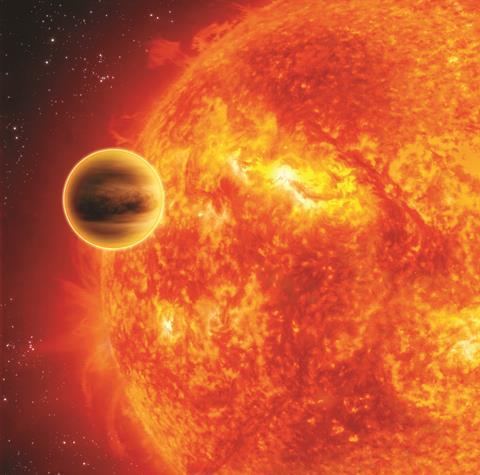
More or less, to detect these distant planets is difficult using the observable telescope because they are hidden by the intense luminosity of the stars they orbit. But there are few methods to detect exoplanets. One of which is by transit method, this is the search for planetary shadows. This method was successfully used by 2009-NASA’s spacecraft – Kepler. It looked for the planets which orbits around the stars that varied in size and temperature. Kepler discovered the planets that are rocky and present at a sustainable distance from the star itself.
The sources say that in the transit method, the exoplanets are identified by their wobbly stars (a star that has planets which do not rotate perfectly around its center). Therefore, from a far distance it makes the star look like it’s wobbling. When a planet transits in front of the star, it blocks the little bit of the star’s light. This implies that the star’s luminosity will be decreased when the planet moves across the star. Using this method, the size of the planet can be measured also, Astronomers can observe the luminosity of the star during the transit phase. By calculating the time between transits, astronomers can also find out the distance of the planet from its star. This could tell whether the planet is located at a distance that it could support life or not!
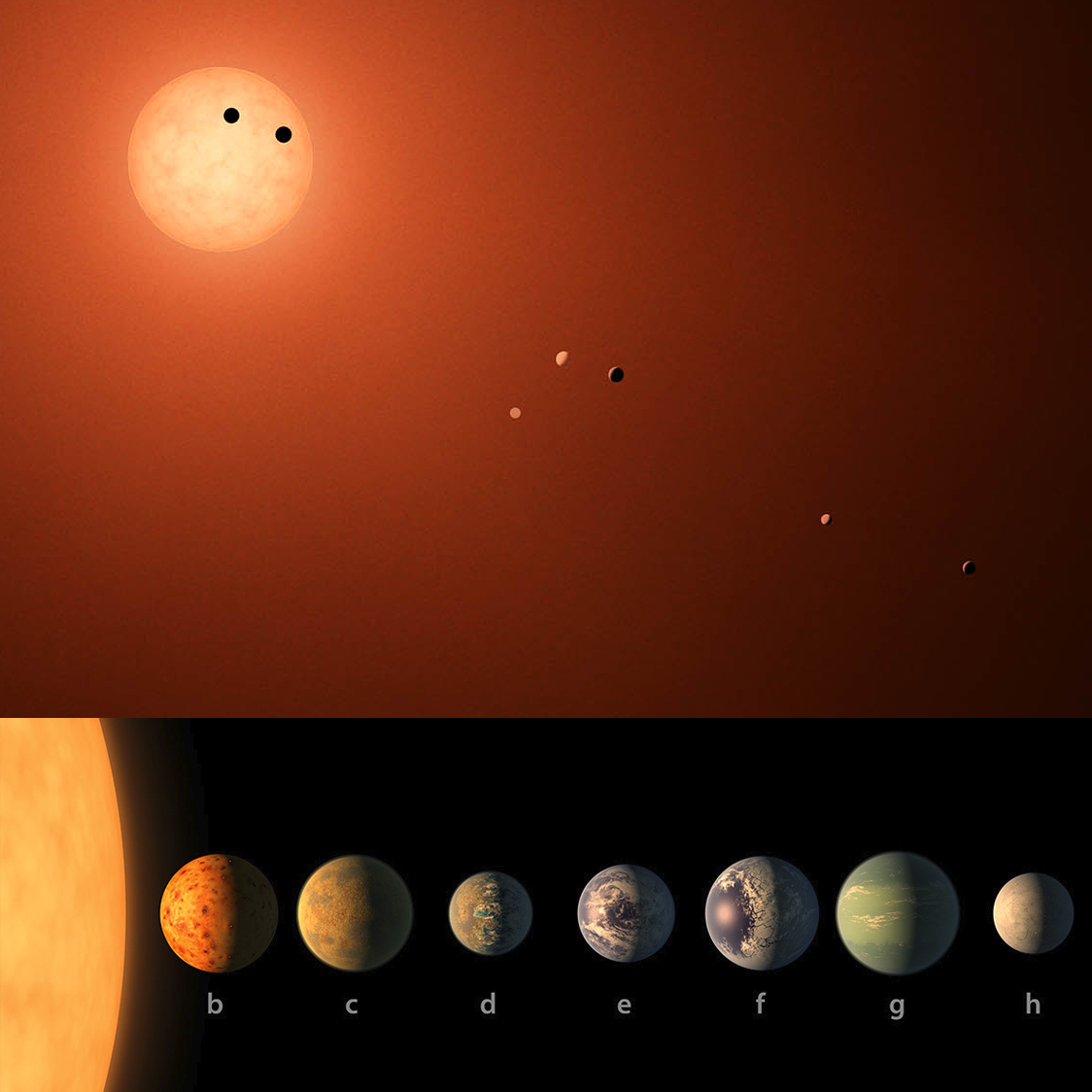
In 2017, a planetary system called TRAPPIST-1 (TRAnsiting Planets and Planetesimals Small Telescope), located 12 parsecs away from the Solar system, within the constellation of Aquarius found by the ground and space telescopes. It consists of seven Earth-sized closely packed planets orbiting a small, red star. By knowing their diameter and the gravitational influences between these closely packed planets, the mass of each planet can be determined.
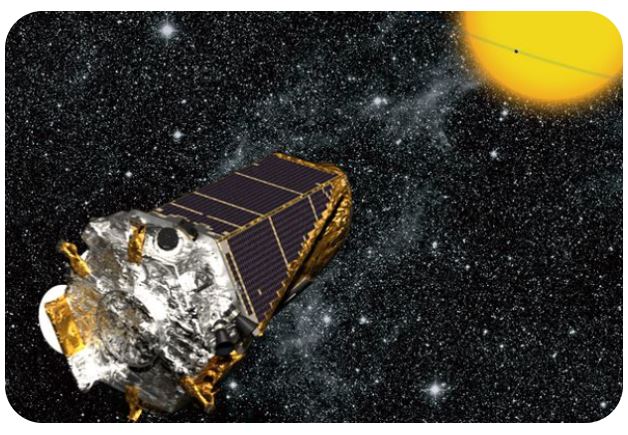
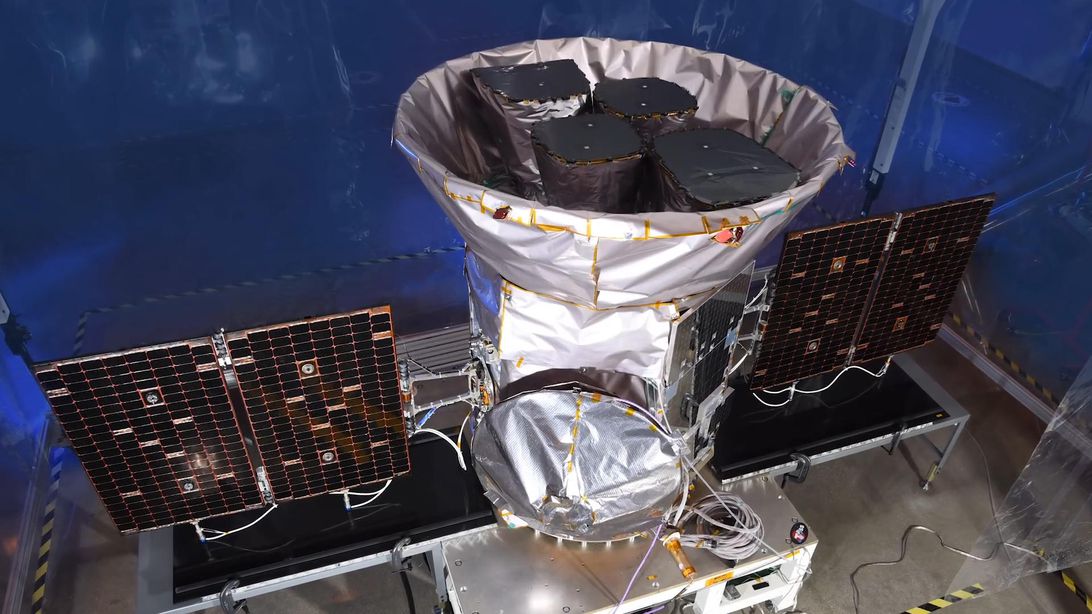
TESS (Transiting Exoplanet Survey Satellite) is NASA’s Space telescope, an ongoing mission launched in 2018. TESS covers an area of 400 times larger than that of Kepler mission. It is possible to evaluate the mass, size, density of small planets including the rocky planets in the habitable zones. The sources said “TESS will provide prime targets for further characterisation by the James Webb Space Telescope, as well as other large ground-based and space-based telescopes.
TESS even spotted a planet (LTT 1445Ab) with three dwarf suns. LTT 1445Ab is a part of a three-star system which is less than 23 light years away from Earth. It orbits one of the stars, while the remaining two appear as red full moons. This exoplanet is too hot to host life.
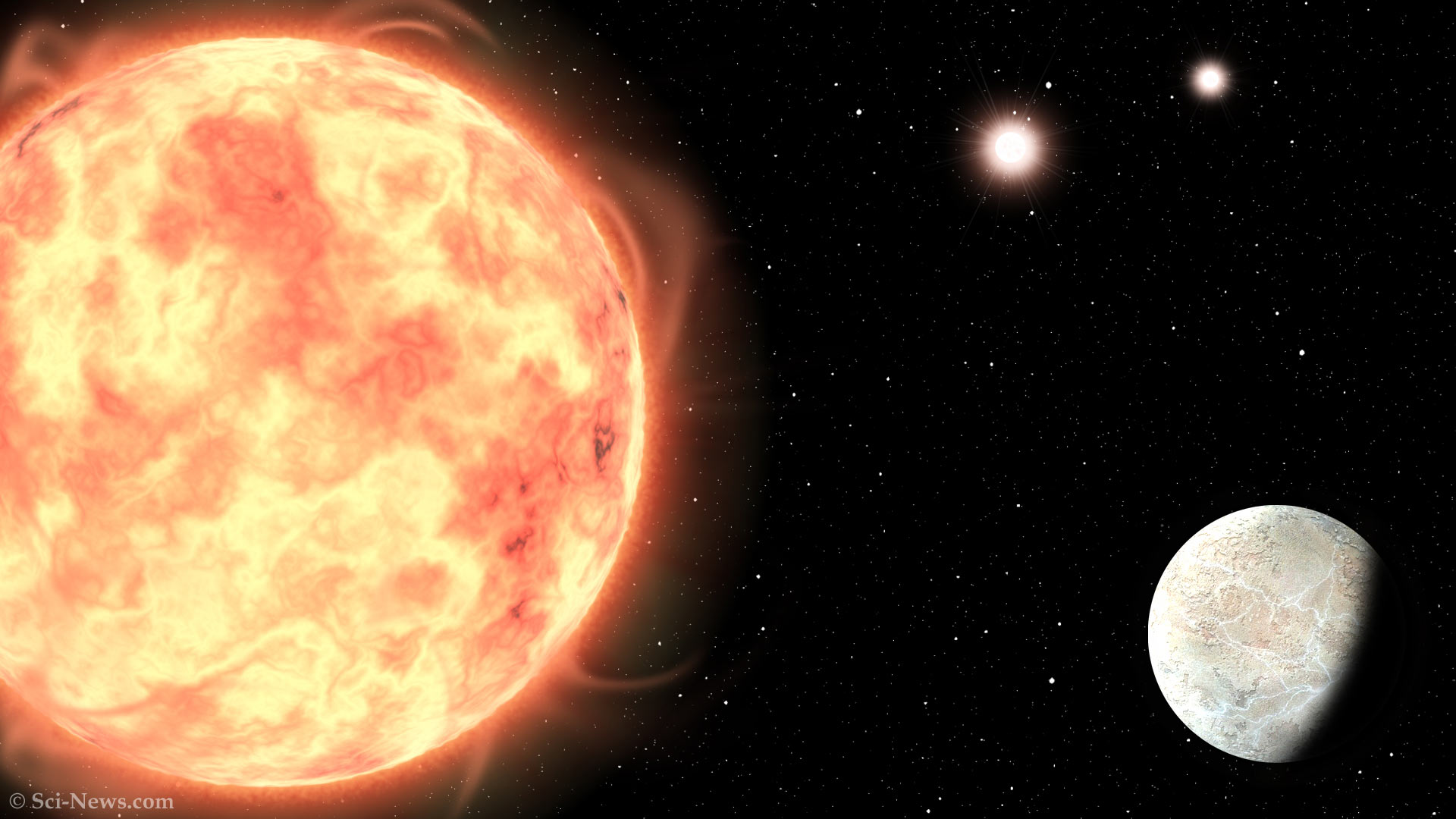
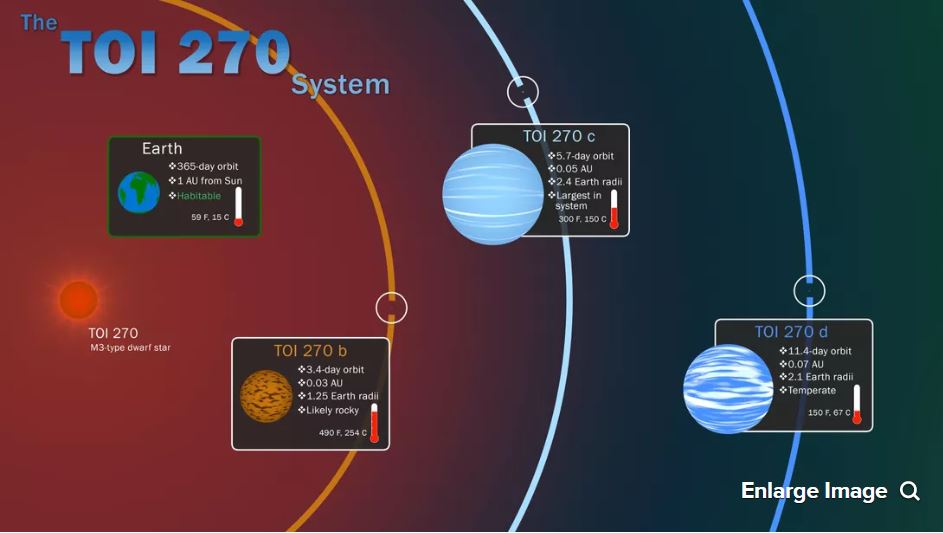
Also, TESS found TOI 270’s (a dwarf star) intriguing planets. TOI 270 b is about 25% bigger than Earth and it’s too hot as it’s near the star. The other planets TOI 270 c and TOI 270 d are likely closer to gas-giant Neptune. Maximilian Günther, a lead author of a paper published in the journal Nature Astronomy “TOI-270 will soon allow us to study the ‘missing link’ between rocky Earth-like planets and gas-dominant mini-Neptune’s, because here all these types formed in the same system.”
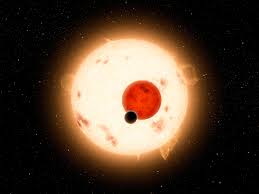
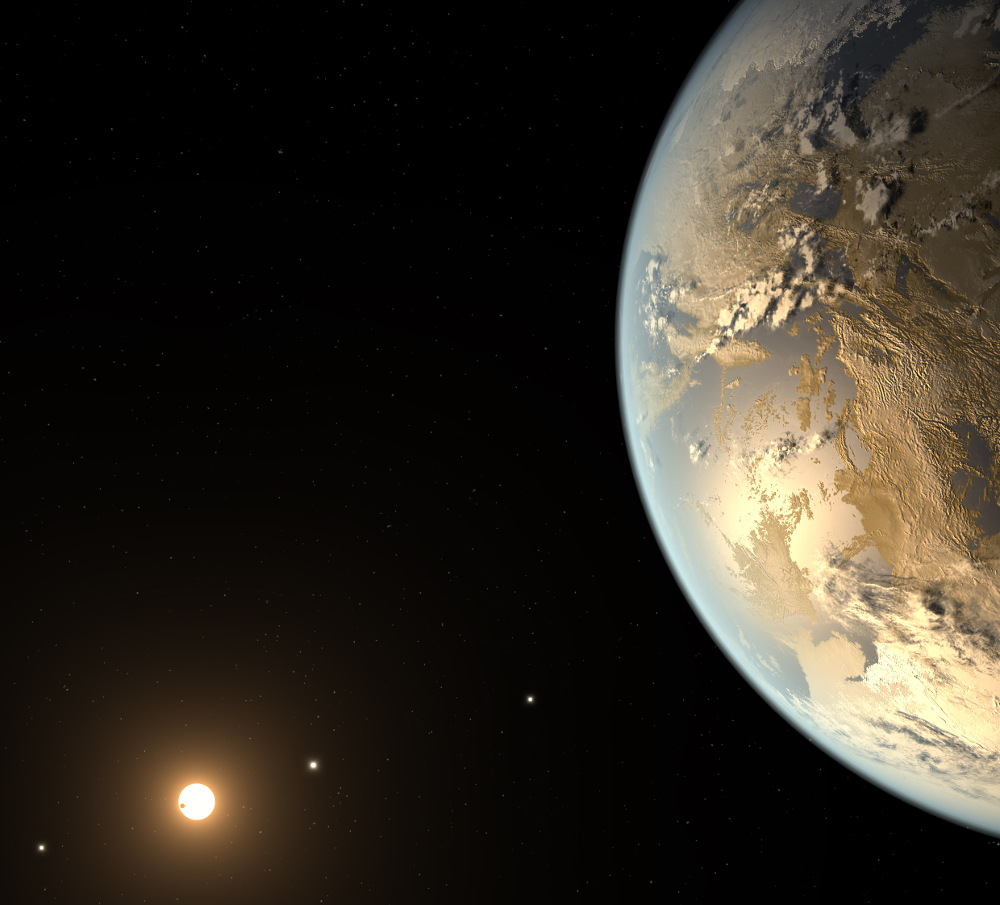
Some of the Exoplanets discovered by Kepler’s Telescopes are shown below.
References
https://en.wikipedia.org/wiki/Transiting_Exoplanet_Survey_Satellite
https://www.nasa.gov/feature/jpl/20-intriguing-exoplanets
https://www.nasa.gov/feature/jpl/what-in-the-world-is-an-exoplanet
 StarDustWaves
3 thoughts on “EXOPLANETS”