Every region has its own culture when it comes to the night sky. Its own constellations, its own astrology, its own beliefs. In ancient times, humans, birds and animals all lived by the night sky in their own way. Farmers watched the stars to know when to plant, sailors used them to find their way home, and migrating birds used them to find their route across continents.
But when I look at how technology has developed in the 21st century, the development is massive. Being born in the 90s, I still remember the start of a new era: the first cell phones, home computers and software that felt like magic at the time. Fast forward to 2026, and we have a long list of space missions, thousands of satellites and huge telescopes. The growth of engineering, technology and astronomy itself is exponential.
In this blog I want to focus on one country: Chile. A narrow strip of land between the Andes and the Pacific Ocean somehow ended up hosting a large share of the world’s most powerful telescopes. How did that happen? Who started it? What did the collaborations and the politics look like? And why is Chile so special that Europe chose it as the home of the Extremely Large Telescope (ELT), a telescope with a main mirror 39 metres wide?
The first astronomers of Chile
Chile’s astronomy did not start with telescopes. Long before any European arrived, the people of the Andes and the Atacama were watching the sky and using it to organise their lives.
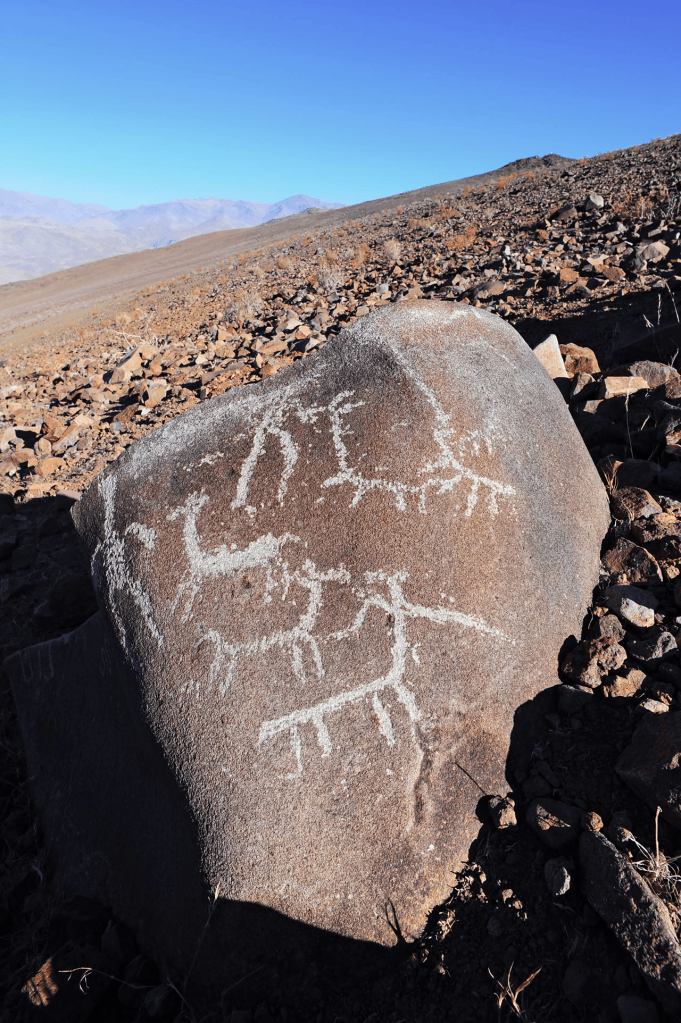
The Lickanantay (also called Atacameños), who live in the Atacama Desert, call the Milky Way Mayu, the celestial river. Their most important constellation is made of shadows, not stars: Yakana, a llama with her baby, traced by the dark dust clouds inside the Milky Way. Today astronomers know those dark clouds are exactly where new stars are born.
The Inca shared this way of seeing. The eyes of their llama are the bright stars Alpha and Beta Centauri, and the baby llama appearing in the sky matched the birthing season of real llamas on Earth (Science Friday).
Further south, the Mapuche call constellations Wanlen and used them as a calendar. The stars Europeans know as Orion’s Belt, they call Weluwitraw, a picture of a traditional game where two men tied by a rope pull against each other until one wins (Indigenous Astronomy, arXiv).
1849: an American naval officer on a hill in Santiago
Modern astronomy in Chile began with a measuring problem. In the 1840s, astronomers still did not know the exact distance between the Earth and the Sun. One way to work it out was to watch Mars and Venus at the same moment from two places very far apart, one in the north and one in the south, and compare the results. This method is called parallax.
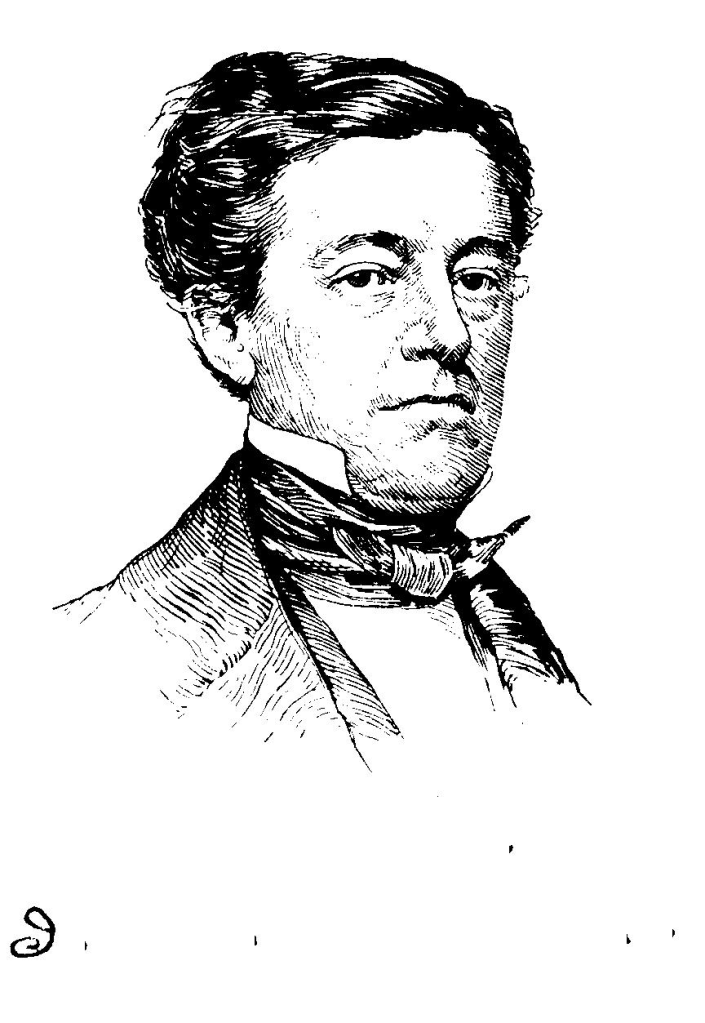
James Melville Gilliss, an astronomer with the United States Navy, got a grant from the US Congress to take a team south. He arrived in Chile in 1849 and set up his instruments on Santa Lucía Hill, a small rocky hill in the middle of Santiago. The Chilean government of President Manuel Bulnes supported the project (Memoria Chilena).
When the expedition ended in 1852, Gilliss sold the buildings and equipment to the Chilean government. That purchase became the National Astronomical Observatory of Chile (OAN), the country’s first.
The new observatory moved several times. Its first director, Carlos Moesta, found that the dark rock of Santa Lucía heated up during the day and made the whole hill shift slightly, which ruined precise measurements. The observatory moved to Quinta Normal (which turned out to be very foggy), then to Lo Espejo in 1916, and finally to Cerro Calán in eastern Santiago, completed in 1962. It became part of the University of Chile in 1927.
This pattern is worth noticing. From the very first telescope, astronomy in Chile was a foreign project that Chile adopted and kept.
1903: California comes to Cerro San Cristóbal
The second foreign team came from the Lick Observatory in California. Around 1900, Lick astronomers were measuring how fast the brighter stars move towards or away from us, using a technique called spectroscopy (splitting starlight into its colours). To complete the picture they needed the southern sky too.
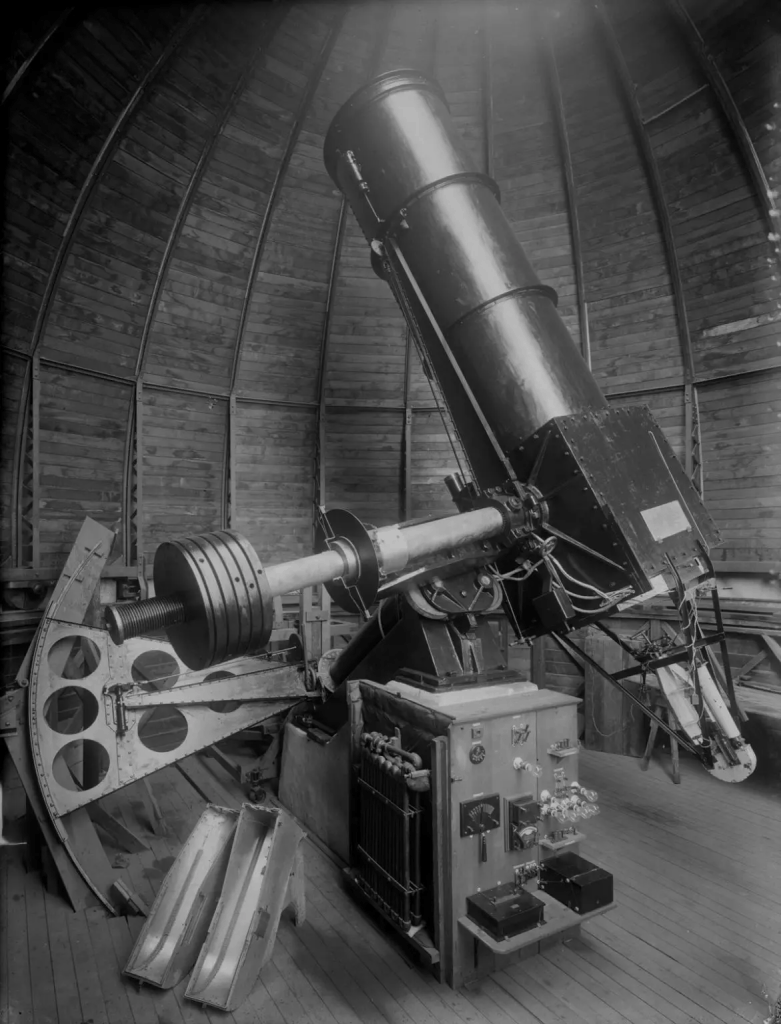
The banker Darius Ogden Mills paid for the trip. In 1903 the team sailed from San Francisco with a whole observatory packed in the ship’s hold, and President Germán Riesco signed the permission to build it on top of Cerro San Cristóbal in Santiago. The telescope had a 93 cm mirror (ALMA). The plan was a short expedition, but the Americans stayed for more than 25 years (Palgrave).
The station collected around 10,000 star spectra and observed a nebula that gave some of the first hints that the universe is expanding. In 1928 professor Manuel Foster bought it and donated it to the Pontifical Catholic University of Chile (La Tercera). It has been a national monument since 2010, and you can still visit it.
The Foster Observatory was the first international observatory built in Chile to use its skies. It set the model for everything that came later: foreign money and scientists, Chilean land and permission.
The 1960s: the big move north
The real turning point came in the 1960s, when three foreign groups chose the mountains of northern Chile within about ten years of each other. By then the big telescopes of the world were all in the northern hemisphere, and half of the sky (including the centre of our galaxy and the Magellanic Clouds) was poorly studied.
One Chilean deserves credit for opening the door. Federico Rutllant, director of the National Astronomical Observatory from 1950, helped bring foreign groups in to build in the Atacama, and the site studies for Cerro Tololo and La Silla were done during his time.
The Americans: Cerro Tololo
In June 1959 the University of Chile, the University of Chicago and the University of Texas signed an agreement for a shared observatory. The man sent to find the site was Jürgen Stock, a German astronomer working for the Americans (NOIRLab timeline). He travelled the mountains on mules, carrying test instruments and even dragging a small telescope to the top of Cerro Tololo on muleback in 1961.
In November 1962 Cerro Tololo was chosen, and AURA (the Association of Universities for Research in Astronomy, a group of US universities) bought about 30,000 hectares of land around it. The observatory was inaugurated in November 1967.
The Europeans: La Silla
The European Southern Observatory (ESO) was formed in 1962 by Belgium, Germany, France, the Netherlands and Sweden. Its plan was to build in South Africa, and it was close to signing contracts there. Then Jürgen Stock sent back excited reports about the Chilean skies, and ESO’s director Otto Heckmann put South Africa on hold. The Europeans decided unanimously for the Andes because the weather and observing conditions were better.
On 6 November 1963, ESO and Chile signed an agreement called the Convenio. In October 1964 ESO bought La Silla mountain, and President Eduardo Frei Montalva inaugurated the observatory on 25 March 1969. ESO’s own history notes that the low price it paid for 627 square kilometres of land showed how much the Chilean government wanted the observatory there (ESO timeline).
Carnegie: Las Campanas
The Carnegie Institution, which ran the famous Mount Wilson Observatory in California, wanted a southern site too. Horace Babcock led five years of testing. In late 1968 he met President Frei and quickly got permission to buy the land, and the purchase of 50,000 acres around Las Campanas was completed in July 1969. Las Campanas later became famous for the 1987 discovery of a bright supernova in the Large Magellanic Cloud by Ian Shelton and the Chilean technician Oscar Duhalde (Carnegie Science).
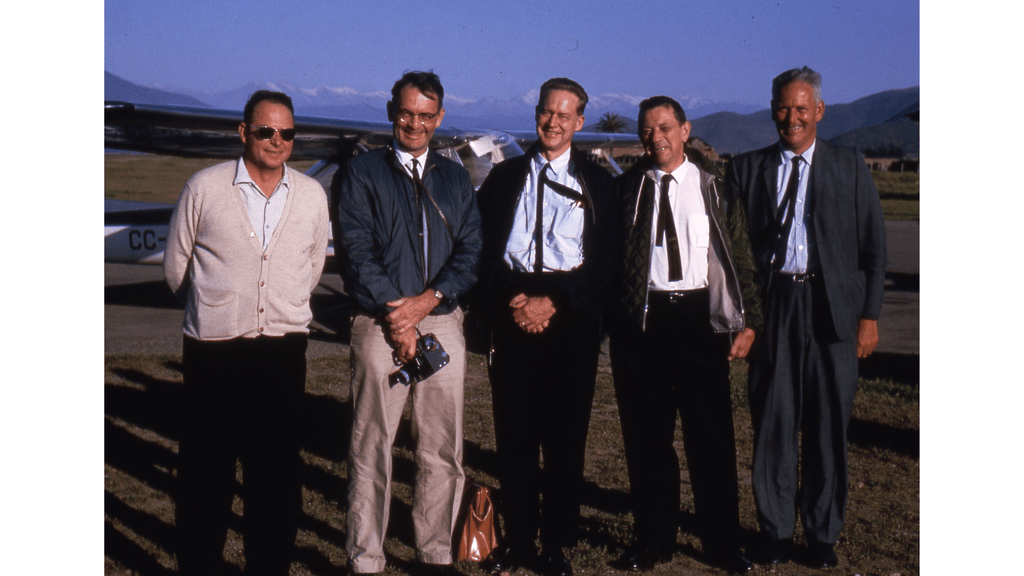
Credit: AIP Emilio Segrè Visual Archives, John Irwin Slide Collection.
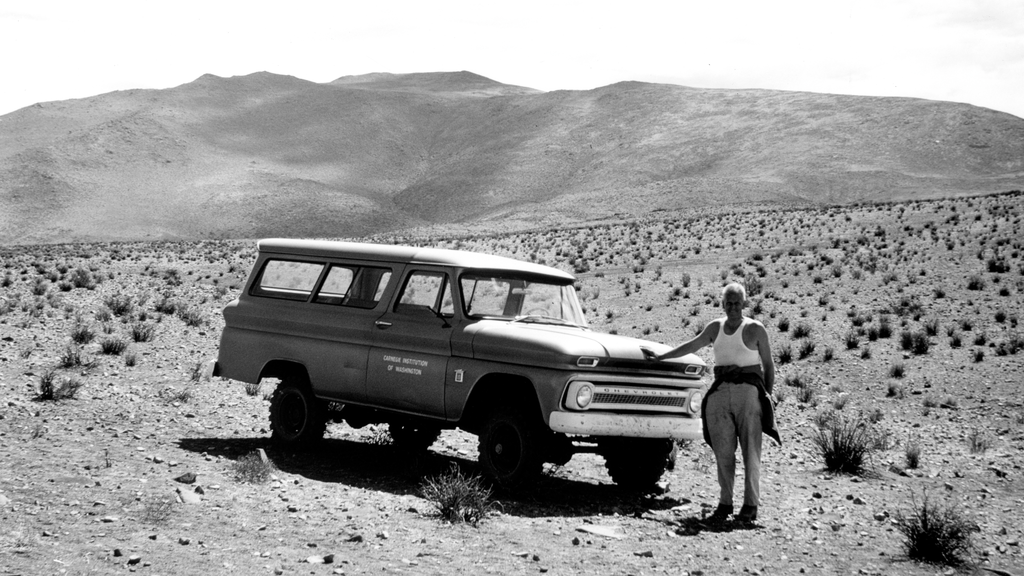
Credit: Carnegie Science.
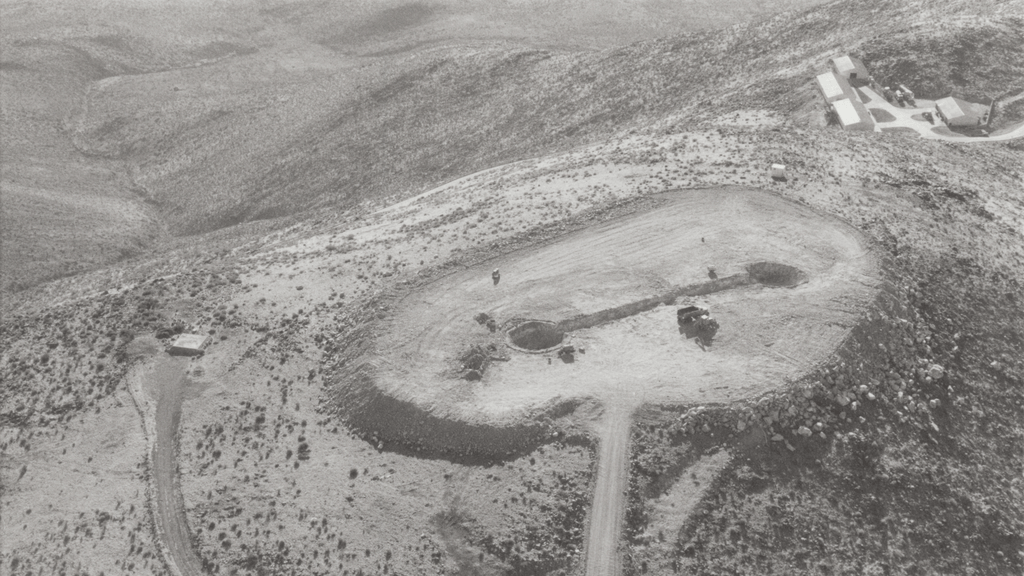
Credit: Carnegie Science.
| Observatory | Run by | Site Chosen | Opened |
| Cerro Tololo Inter-American Observatory | AURA (USA) | 1962 | 1967 |
| La Silla | ESO (Europe) | 1964 | 1969 |
| Las Campanas | Carnegie Institution (USA) | 1968 | 1971 |
The politics: a deal between a small country and big partners
Under all the science is a simple bargain. Chile gives land, legal protection and clear skies. The foreign observatories bring money, jobs and, since the 1990s, guaranteed telescope time for Chilean astronomers.
Cold War telescopes
The 1960s observatories were built during the Cold War, and astronomy did not escape it. From 1962 the Soviet Union also sent astronomers and telescopes to the National Astronomical Observatory in Santiago, including a 70 cm telescope on Cerro El Roble. After the military coup of 1973 the Soviets pulled out, while the American and European observatories stayed.
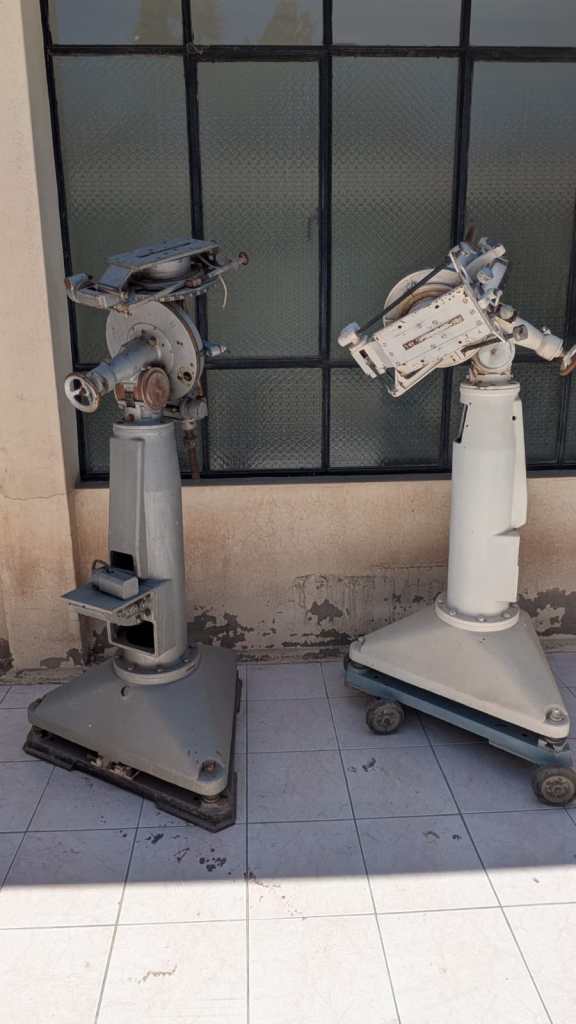
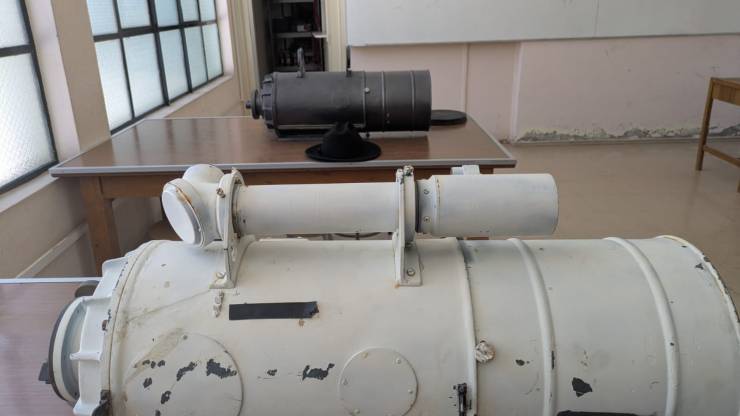
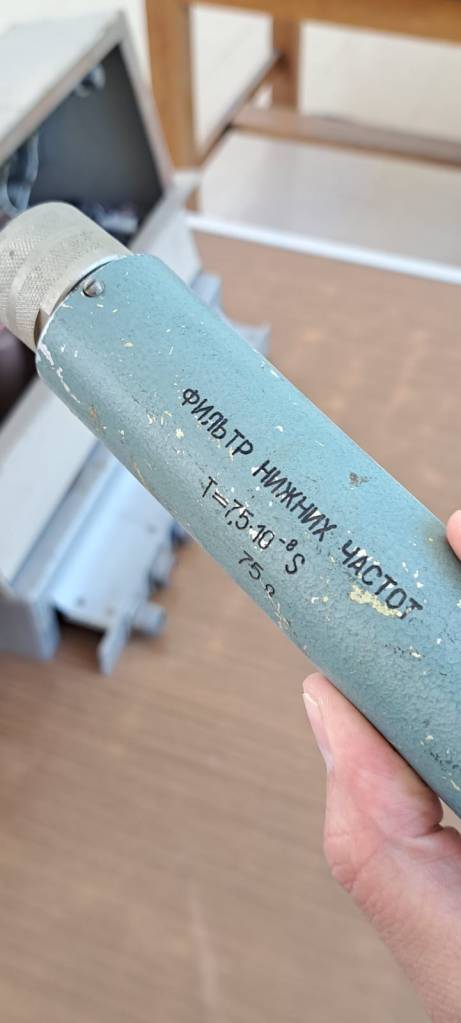
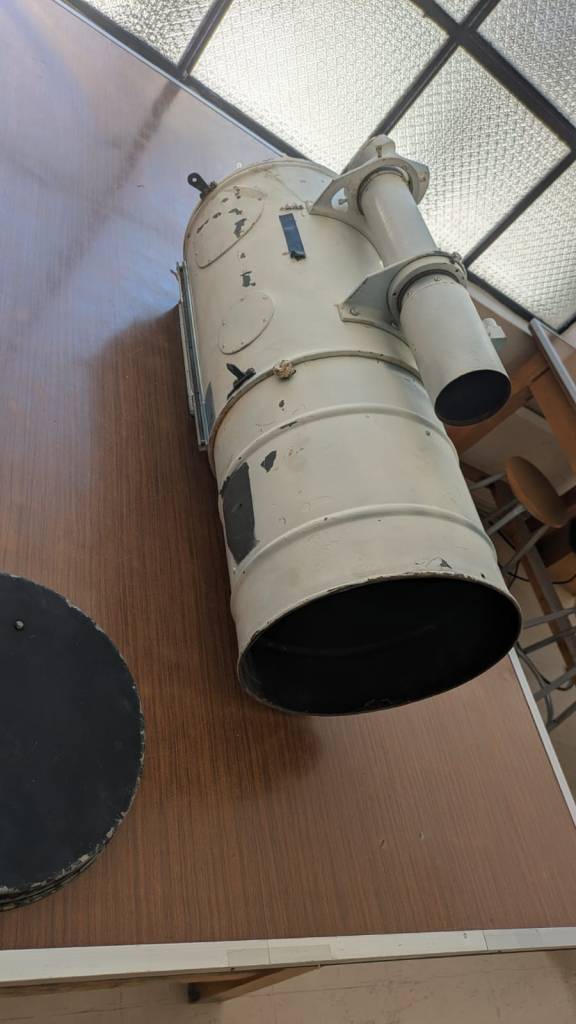
Soviet astronomers also worked further north, on Cerro La Peineta near Copiapó, and hoped to build a bigger observatory in the region. When Moscow broke off relations after the coup, they were evacuated on 24 September 1973, leaving 11 years of work unfinished (La Tercera). The instruments left behind were taken by the military and kept hidden near the physics laboratory of the Universidad de Atacama through the 1980s. Professors at the university later persuaded the military to open Los Cóndores, described as Chile’s first tourist observatory, and a Soviet telescope was put to use there. (Tierra Culta)
Special status
The foreign observatories were set up under international agreements. ESO, for example, is an intergovernmental organisation with privileges and immunities in Chile, similar to a United Nations agency. For many years this meant ESO was not technically bound by Chilean labour law, which caused friction with Chilean workers and astronomers (ESO press release, 1995, Physics Today, 1994).
The fight over Paranal
In October 1988 the Chilean government donated the land around Cerro Paranal to ESO for its new Very Large Telescope. In April 1993, with construction well under way, a Chilean family (the Latorre family) sued the Chilean State and ESO, claiming that part of the land was theirs. The case became a diplomatic issue between Chile and Europe.
The dispute ended with a new deal. On 18 April 1995, Chile and ESO signed an amendment to the 1963 agreement. It guaranteed Chilean astronomers up to 10% of the observing time on all ESO telescopes, applied the principles of Chilean labour law to local staff, and created a joint fund for Chilean astronomy (ESO Messenger 191). The Chilean Congress ratified it in 1996, and ESO also contributes around 950,000 euros a year to astronomy and science culture in Chile (ESO Messenger 80, Innovations Report).
The 10% rule today
The 10% share changed Chilean science. Guaranteed access to the world’s best telescopes attracted foreign astronomers to Chilean universities. About 40% of ESO’s annual budget is spent in Chile, and the Chilean government donated more land over the years: Paranal (1995), the ALMA site (2004) and Cerro Armazones for the ELT (2011) (ESO Long Term Perspectives, arXiv).
The modern giants
From the 1990s, the telescopes moved further north and higher up, into the driest parts of the Atacama. Each new one was bigger than anything built before it.
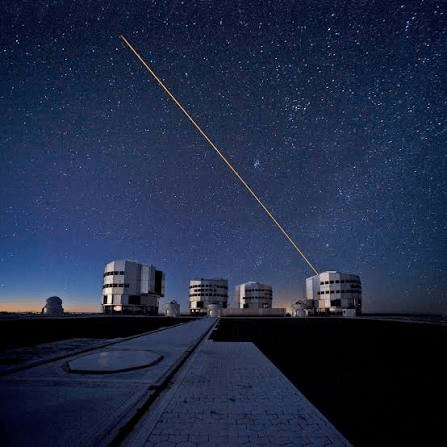
The Very Large Telescope at Paranal (1999)
After the land donation, ESO chose Cerro Paranal in 1990 for its Very Large Telescope (VLT), and the observatory was inaugurated on 5 March 1999. (ESO brochure) The VLT has four main telescopes, each with a mirror 8.2 metres wide. Chilean astronomers alone can use time equal to about 40% of one of these telescopes thanks to their 10% share. (ESO press release, 1995)
ALMA on the Chajnantor plateau (2013)
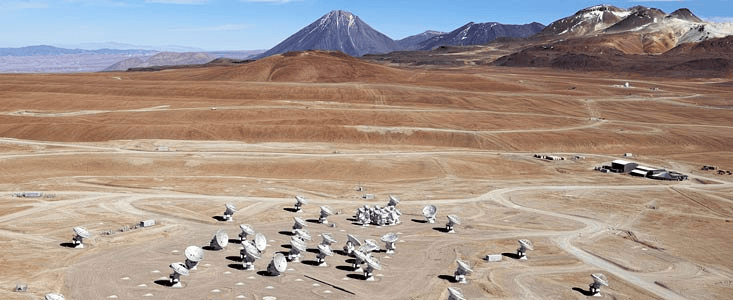
ALMA (the Atacama Large Millimeter/submillimeter Array) is a radio observatory, not an optical one. Instead of collecting visible light it detects millimetre and submillimetre waves, which come from cold gas and dust where stars and planets form. It sits on the Chajnantor plateau at 5,000 metres, and its 66 antennas work together as a single telescope. (Wikipedia) President Sebastián Piñera inaugurated it on 13 March 2013. (ESO) It was built by Europe, North America and East Asia together with Chile, at a cost of about 1.3 billion US dollars. (Space Today)
The Vera C. Rubin Observatory (2025)
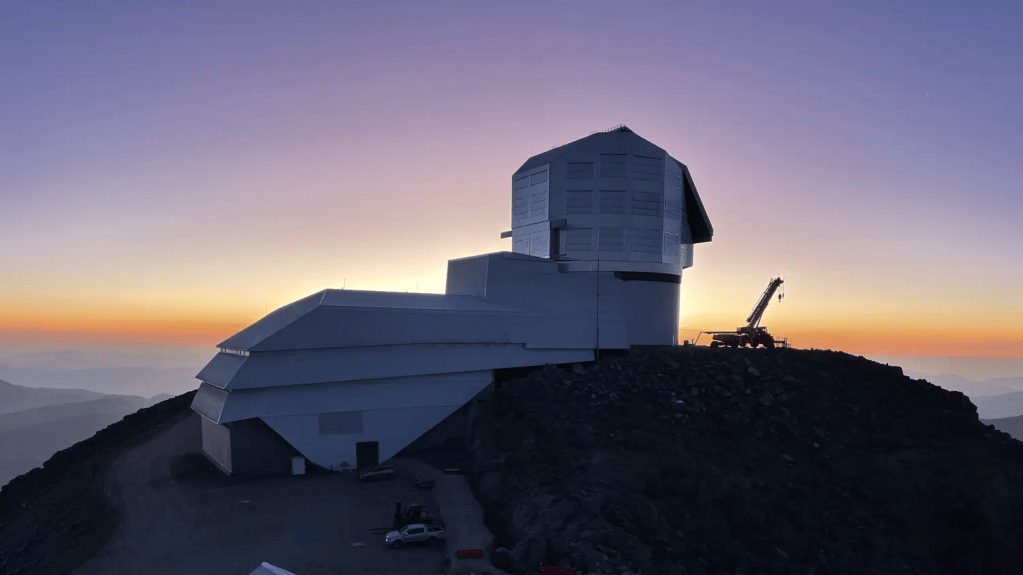
On Cerro Pachón, right next to Cerro Tololo on the same old AURA land, the United States built the Vera C. Rubin Observatory. It has an 8.4 metre telescope and a 3,200-megapixel camera the size of a car, the largest digital camera ever built for astronomy. It will photograph the whole visible southern sky every three to four nights for ten years. (Penn State) Its first images were shown to the world on 23 June 2025, and in just 10 hours of observing it found 2,104 asteroids nobody had seen before.
Why Chile is so special
Chile won because nature and politics both worked in its favour. Today the country hosts around 40% of the world’s astronomical observing infrastructure, and the Chilean tourism board expects that figure to reach 60%. (Chile Travel)
The sky itself
- It is very dry. The Atacama is the driest non-polar desert on Earth. Water vapour in the air blocks infrared and millimetre light, so dry air matters most for telescopes like ALMA. (Insight Vacations)
- It is clear almost every night. Northern Chile gets roughly 300 to 330 usable nights a year. (WHYY) At Paranal, nights lost to weather rarely reach 10%. (ESO Messenger 191)
- The air is calm. A cold ocean current from Antarctica, the Humboldt Current, runs along the coast. It cools the lower air and keeps clouds trapped low, below the mountain tops, while the air above stays still. Astronomers call the steadiness of the air “seeing”. Good seeing means stars twinkle less and images come out sharper.
- It is high. Many sites sit between 2,400 and 5,000 metres, above much of the atmosphere.
- It is dark. The desert is almost empty of towns and lights.
- It has the southern sky. From Chile you can see the centre of our galaxy high overhead and the two Magellanic Clouds, our neighbouring galaxies. Many of the most interesting objects can only be studied well from the south.
The country
Nature alone is not enough. Argentina, Peru and Bolivia share the Andes. What Chile added was a long record of government support: it donated land for La Silla, Paranal, ALMA and Armazones, paved roads and connected Paranal to the electricity grid. ESO itself says this support, together with the natural conditions, is the main reason all its observatories are in Chile. (ESO Long Term Perspectives, arXiv)
Chile also protects the dark by law. Its first lighting standard, Supreme Decree 686, came in 1998 to protect astronomy in the north. In 2019, Law 21.162 added artificial light to the list of pollutants (Gemini/NOIRLab) . A new standard issued in October 2023 extended the rules to the whole country, limited blue light from LEDs, and set stricter rules near the observatories. (Las Campanas , LightNOW)
The Extremely Large Telescope on Cerro Armazones
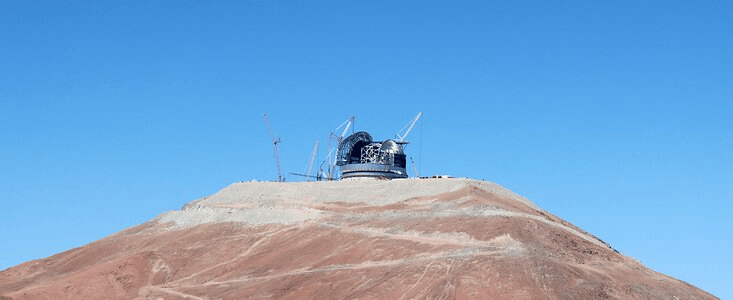
All of this history leads to one mountain. The Extremely Large Telescope (ELT) is being built by ESO on Cerro Armazones, about 3,046 metres high in the Atacama Desert. Its main mirror is 39 metres wide and made of 798 hexagonal segments, the largest mirror ever built for a telescope (optics.org). That is wider than four VLT mirrors placed side by side, and it will be the largest telescope in the world that observes visible light (Universe Magazine) .
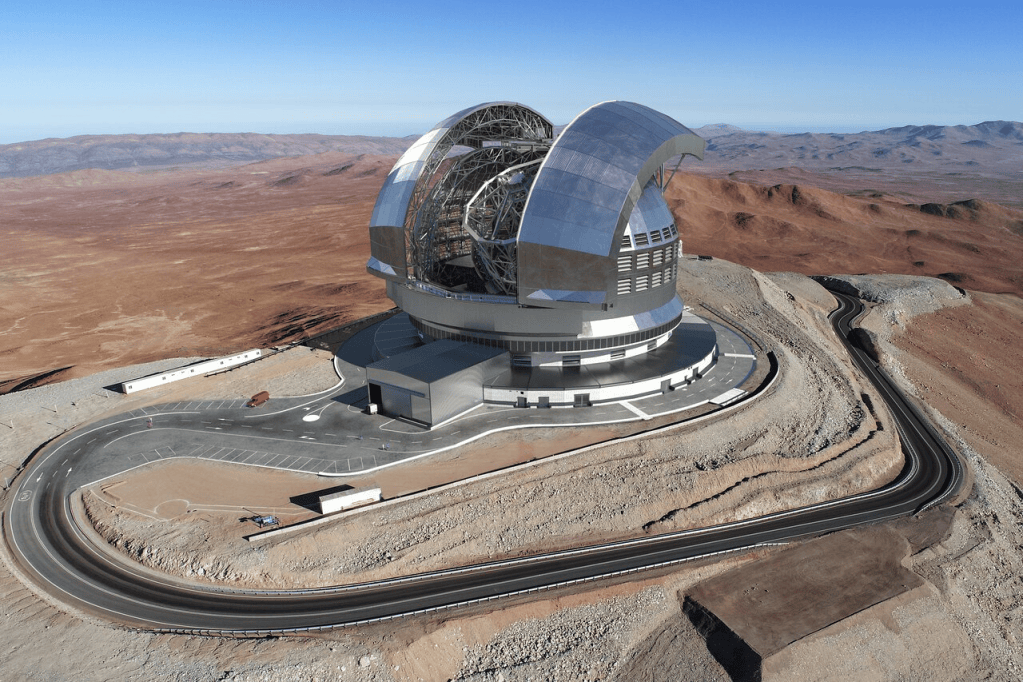
The schedule has slipped more than once. In 2018 ESO expected first light by the end of 2025. ESO says the delays came from harsh weather at the site, technology taking longer to develop than planned, and equipment failing during manufacturing.(European Spaceflight)
Why Armazones?
Armazones sits right next to Paranal, under what ESO describes as the darkest and clearest sky of any observatory in the world. Being next door also means the ELT can share roads, staff and support buildings with an observatory ESO has run since 1999 (Ecoticias) . And it follows the 60-year pattern: Chile offered the land, and Europe brought the money and engineering.
Chile is not the only place that wanted these giant telescopes. The Thirty Meter Telescope (TMT), an American-led project, tested sites in Chile, the USA and Mexico before choosing Maunakea in Hawaiʻi in 2009. Meanwhile, the Giant Magellan Telescope is being built at Las Campanas.(NOIRLab timeline)
A close call in 2025
The dark sky that makes Armazones valuable is also fragile. In December 2024, the energy company AES Andes submitted plans for INNA, a green hydrogen and ammonia complex covering more than 3,000 hectares, only a few kilometres from Paranal. ESO’s analysis found it would raise light pollution above the VLT by at least 35% and above the ELT site by at least 5% (Physics World). Its wind turbines could also have made the air above the telescopes more turbulent. (Astronomy , Ecoticias)
After a year of protest from astronomers, AES Andes dropped the project on 23 January 2026. A letter on 6 February formally withdrew it from Chile’s environmental review (Scientific American). ESO says the case shows Chile still needs clearer protection rules around its major observatories.(Physics World)
Looking up from Chile
What surprised me most while reading about this is how human the story is. A US Navy officer measuring the Sun, a German astronomer hauling a telescope up a mountain on muleback, presidents signing land deals, a family lawsuit over a mountain, and a Chilean technician co-discovering a supernova. The desert was always there. It took people, money and a lot of negotiating to turn it into the place where humanity now looks deepest into space.
And the people of the Atacama were reading that same sky, the dark llama drinking from the celestial river, long before any of them arrived.

